Evergreen Concrete Polishing
A polished floor has no coating to peel. We grind the slab you already have, densify it and polish it until it is hard and throws back light. That suits a lot of Evergreen floors. Lower-level and walk-out rooms sit on cold concrete that moves vapor, shops take wet boots and grit, and well water leaves minerals wherever it drips. Elevated Epoxy Co polishes concrete in Evergreen and across Jefferson County.
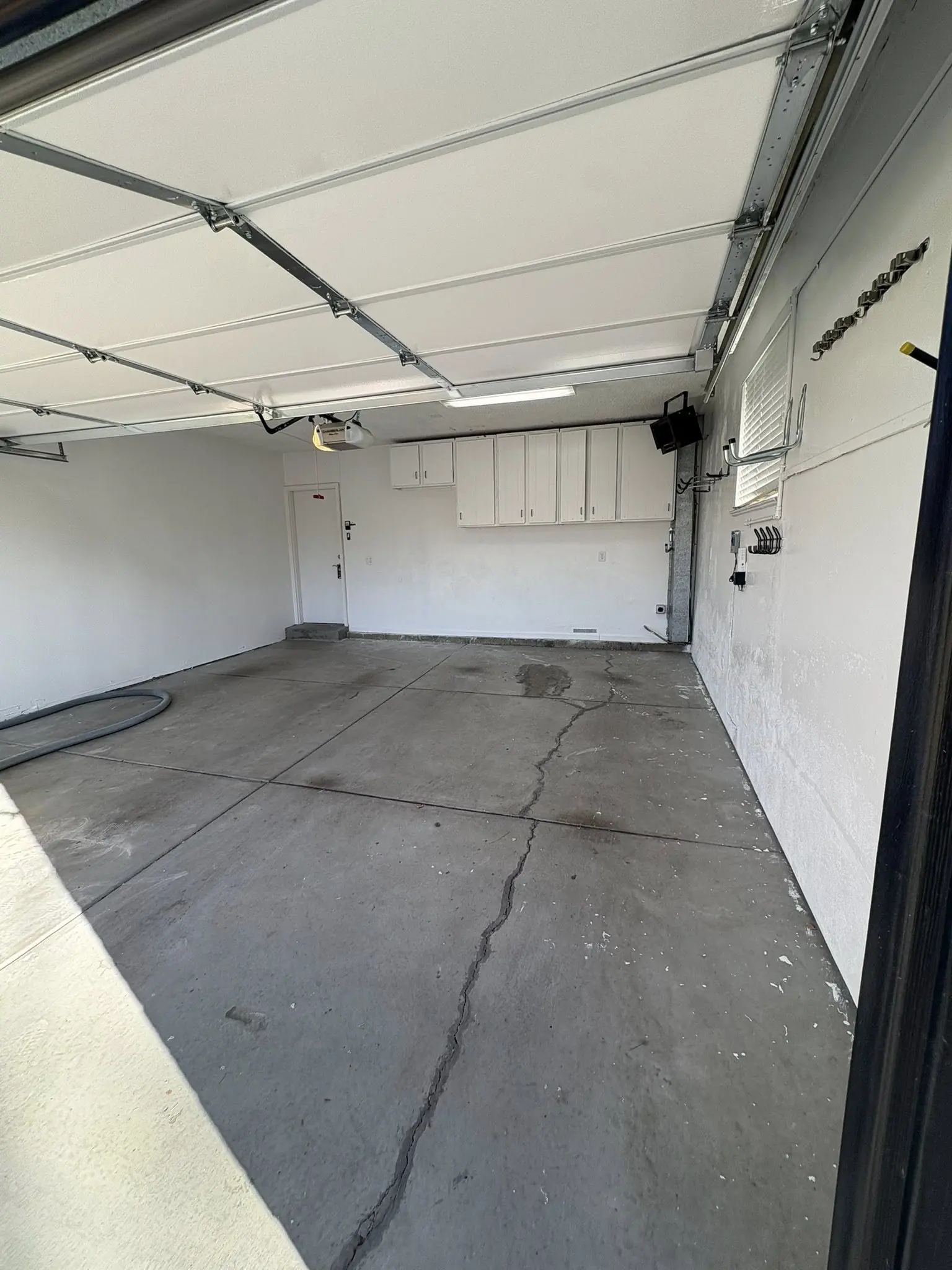
Polishing Is Grinding, Start to Finish
Nothing gets laid on top of a polished floor. We work the slab through a run of diamonds, usually 40, 80 and 150 metal-bond, then resin-bond 100, 200, 400 and 800, and on up to 1500 or 3000 when you want gloss. Partway through, a lithium-silicate densifier goes down and reacts with the concrete to harden it from the inside. The shine comes out of the slab itself, so there is no film to delaminate.
You pick the sheen. A satin 400-grit finish hides slab character and forgives a lot in a working shop. A 1500 to 3000-grit finish looks almost wet and shows off the aggregate in a guest room or rec space. Slabs around Jefferson County vary in hardness and in how much stone sits near the surface, so we grind a small test section first and confirm what your floor will take before we give you a number.
Vapor is the main reason polishing makes sense on a cold mountain slab. Lower-level and walk-out rooms in Evergreen sit on cold concrete, and cold concrete moves moisture vapor up through itself. Over time that vapor blisters and lifts a topical coating. A polished floor is the slab, densified and refined, with no film on top for vapor to push off. For a gear room or guest quarters on that kind of concrete, polishing is often the right call, and we will tell you when it is.
Well water is common up here, and it leaves mineral marks on raw concrete around utility sinks and water heaters. A densified, polished surface is much tighter than a bare slab, so those minerals stay on top and mop away before they set in. In a lower level that holds the mechanicals, a well tank and all the winter gear, a hard floor that cleans up with a damp mop pays you back every single week.
Full Polish or Grind and Seal
A true mechanical polish is the toughest version, and it never needs recoating. Grind and seal gets a polished look from a topical guard coat, and it is the better fit for a softer or badly stained slab that will not take a high polish. After the test cut we tell you which one your concrete can hold. We will not sell you a finish the slab cannot support.
Evergreen’s long freeze season matters here too. Coatings depend on install temperature and a cure window, and a detached, unheated building that sits through deep freezes is a hard place to lay resin. Polishing is grinding and densifying, so the weather has far less say over the install. If your project lands in the cold months, polishing is often the simpler way to go, and we will tell you so up front.
The densifier does quiet work on a mountain floor. It reacts inside the slab and tightens the pores, which leaves less raw concrete for magnesium chloride and road sand to eat into when trucks drag them across it. Freeze-thaw also gets less of a grip on a hardened surface. Past the shine, polishing makes the concrete tougher against the things that wear floors down at 7,200 feet, and in a shop or garage that holds snow gear, firewood and a truck, that toughness gets tested every winter.
How Long a Polish Takes
Most lower levels and shops in Evergreen polish in one to two days, depending on square footage and how many grit passes the finish takes. There is no cure time to wait out. You can walk on the floor right away, and it is back in full use within 24 hours. A stain guard, if you want one, adds a few hours. We plan every job around getting into the room and where the grinders can plug in.
Commercial floors around Evergreen Lake, along Highway 74 and in Bergen Park get the same process on a bigger scale. Those floors take wet boots and grit all day. Many of those businesses ride a seasonal mountain economy, so we talk through timing with the owner before we book the grinders. A polished floor needs no cure time, which helps when a shop cannot close its doors for long.
Polishing is also an easy job to live around. It is mechanical grinding and densifying with very little odor, so most families stay home while a lower-level floor gets done. The finished floor brings out the aggregate already in your slab, which gives it depth without adding anything on top. For a walk-out that doubles as a gear room or guest space, a hard surface that sweeps clean is tough to beat.
Cracks get handled before the fine grits. Control joints and cold-pour cracks are common in mountain slabs, and we fill them with polyurea and grind the fill flush with the floor. A filled crack will still show as a line in a polished slab, since polishing reveals the concrete instead of covering it. We point those lines out during the test cut, so nobody is surprised when the gloss comes up.
Start With a Test Cut on Your Slab
Call (720) 635-0282 or send a message. We drive up from Parker, grind a small test section, and show you what your concrete will take.
Evergreen Concrete Polishing FAQ
How much does it cost?
Square footage, grit level, slab condition and any crack or joint repair all move the number, and so does a stain guard if you want one. We grind a small test section, see what the slab will take, and price the job from there. We do not quote a polish over the phone, because two slabs the same size can take very different amounts of work.
Will my slab take a polish?
Most do. The test section shows us the hardness and how much aggregate sits near the surface. A soft or badly damaged slab can be a better fit for grind and seal, and we tell you that before any work starts.
Is it slippery?
Dry, a polished floor has more grip than it looks, about like tile. For spots that get wet, such as the door where boots come in off the snow, we can add a penetrating anti-slip conditioner that keeps the shine.
How do I maintain it?
Dust-mop it, and damp-mop with a pH-neutral cleaner. No wax and no stripping. In winter, mop up road sand before it gets walked across the room, since grit is what dulls a polish. A densified floor goes a long stretch before it needs a professional re-burnish.
Can you get stains out first?
Many stains lighten as the grits go up, because each pass takes a little more of the stained surface away. Deep oil soak is harder, so we look at it during the test cut and tell you how much will be left before we quote.
Is polishing better than a coating for a lower level?
Often. Cold concrete in a lower-level or walk-out room moves moisture vapor up through the slab, and that vapor blisters topical coatings. A polished floor is the slab with nothing laid on top, so there is nothing for vapor to lift.
We are on well water. Will it stain?
Much less than bare concrete. Well water leaves mineral marks on a raw slab, but a densified, polished surface is tight enough that the minerals stay on top and mop away. It holds up well around utility sinks and water heaters.
Can you polish in the winter up here?
Yes, and that is one of polishing’s advantages in Evergreen. A coating needs the right temperature and a cure window. Polishing is grinding and densifying, so it goes in cleanly even in an unheated building during the long freeze season.
Other Evergreen Epoxy Flooring Services
All Evergreen floor services · Polished floors in the gallery · Book a Test Cut
Service Area: Evergreen, CO
We polish floors in Evergreen, Bergen Park, Hiwan and Kittredge, in homes around Evergreen Lake and up Upper Bear Creek, and in businesses along Highway 74. The trip up from Parker is part of every job we book, so we set the test cut and the polish on days that suit the weather.
Most of the polishing we do up here is for rooms people actually live and work in. A walk-out used as guest quarters, a gear room at the bottom of the stairs, a shop by the lake that takes wet boots every day. Mountain homeowners keep their places a long time and care more about how a floor wears than what is in style, and a polished slab suits that thinking. There is no film to wear through, and the concrete only gets harder as it is densified.