Restaurant Flooring in Denver Metro
Commercial kitchen floors that handle the heat, the spills, and the constant foot traffic. Food-safe epoxy flooring engineered for Denver’s busiest restaurants, cafes, and food service facilities.
How We Work
Flooring That Works as Hard as Your Kitchen
Running a restaurant in Denver Metro means your floors take a beating every single day. Hot oil splashes, dropped dishes, constant sanitization, and thousands of steps from staff rushing between stations. Standard flooring materials crack under this pressure. Tiles grout lines harbor bacteria. Concrete stains and becomes impossible to keep clean.
Elevated Epoxy Co. installs commercial kitchen flooring systems specifically engineered for the food service industry. Our seamless epoxy surfaces eliminate grout lines where bacteria hide, resist thermal shock from hot equipment, and stand up to the aggressive cleaning chemicals required in commercial kitchens. Every installation meets FDA and USDA requirements for food-safe environments.
We’ve installed flooring in restaurants across Aurora, Highlands Ranch, and Littleton, from fast-casual spots to fine dining establishments. Each project receives the same attention to detail: proper drainage slopes, cove base transitions at walls, and slip-resistant finishes that keep your staff safe during the busiest service hours.
Why Denver Restaurants Choose Epoxy Flooring
Seamless & Sanitary
No grout lines, no seams, no hiding spots for bacteria. Our continuous surface makes cleaning faster and more effective than any tile system.
Chemical Resistant
Harsh sanitizers, degreasers, and commercial cleaning products won’t damage or discolor your floor. Built to handle kitchen chemistry.
Thermal Shock Resistant
Hot grease, boiling water, cold walk-in floors, our systems handle extreme temperature swings without cracking or delaminating.
Slip-Resistant Options
Customize your texture level based on your kitchen’s needs. Anti-slip additives provide traction without sacrificing cleanability.
Fast Installation
We understand downtime costs money. Most restaurant installations complete in 3-5 days, minimizing interruption to your operations.
Long-Term Durability
Our commercial-grade systems last 15-20 years with proper maintenance. That’s decades without the cost and disruption of floor replacement.
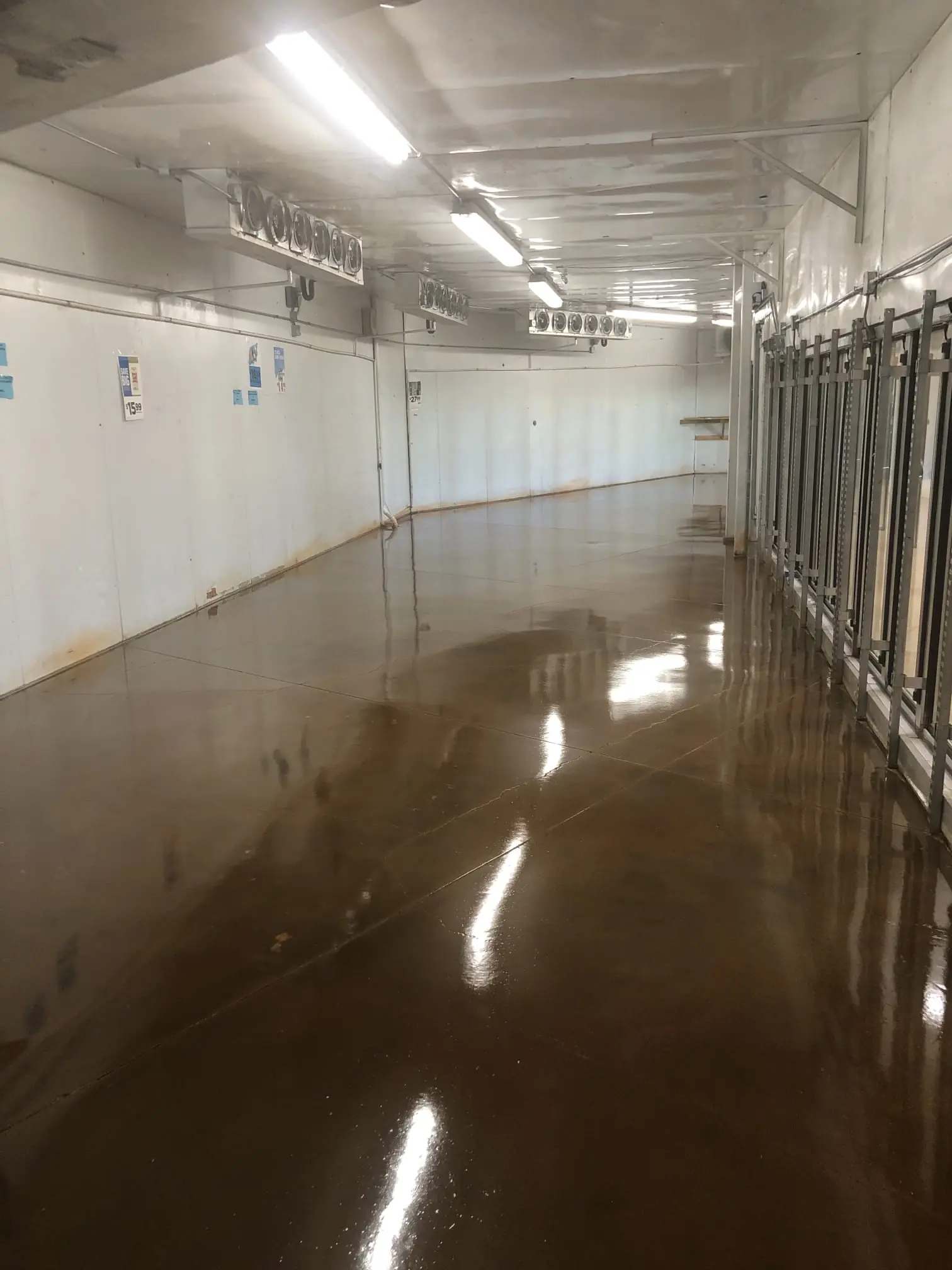
Installation
Restaurant Flooring Systems We Install
Not every restaurant needs the same flooring solution. A high-volume kitchen with fryers and grills faces different challenges than a coffee shop or bakery. We assess your specific operation and recommend the right system for your environment, budget, and health code requirements.
- Urethane Cement Systems, The gold standard for commercial kitchens. Handles thermal shock, heavy impacts, and aggressive cleaning. Ideal for kitchens with fryers, steamers, and high-heat equipment.
- Epoxy Mortar Systems, Heavy-duty option for kitchens with extreme abuse. Excellent for areas with forklift traffic or heavy equipment rolling.
- Self-Leveling Epoxy. Smooth, seamless finish perfect for front-of-house areas, bars, and service stations where aesthetics matter.
- Quartz Broadcast Systems. Decorative aggregate creates texture and visual interest while providing slip resistance. Great for transitions between kitchen and dining areas.
- Antimicrobial Coatings. Added protection that inhibits bacterial growth between cleanings. Required in some health jurisdictions.
During your free consultation, we’ll walk your space, discuss your menu and operations, and recommend the system that makes the most sense. No pressure, no upselling, just honest advice from flooring professionals who understand the food service industry.
Our Restaurant Flooring Process
From assessment to completion, here’s how we deliver floors that perform under pressure.
Site Assessment
We evaluate your concrete condition, drainage requirements, equipment placement, and operational schedule to design the right solution.
Surface Preparation
Diamond grinding removes contaminants and creates a profile for maximum adhesion. We repair cracks, spalls, and damaged areas.
System Installation
Multiple layers applied with proper cure times between coats. Cove bases installed at wall transitions. Drainage slopes maintained.
Final Inspection
We verify slip resistance, check every seam, and ensure the floor meets health code requirements before handing over the space.
Learn More
Health Code Compliance Built In
Colorado health inspectors scrutinize restaurant flooring during every inspection. Cracked tiles, damaged grout, and stained concrete are common citation triggers. Beyond the paperwork headache, compromised flooring creates real food safety risks that can harm your customers and your reputation.
Our restaurant flooring installations are designed with health code compliance as a baseline, not an afterthought. We install integral cove bases that create smooth transitions between floors and walls, eliminating the corners where debris accumulates. Proper drainage slopes direct water to floor drains, preventing standing water. And our seamless surfaces mean no grout lines to crack, stain, or harbor pathogens.
Many of our restaurant clients in the Denver area report easier inspections and fewer compliance concerns after installing our flooring systems. The right floor doesn’t just look better. It makes your entire operation cleaner, safer, and easier to maintain.
Questions about health code requirements for your restaurant flooring? Contact us and we’ll help you understand what’s required for your specific situation.
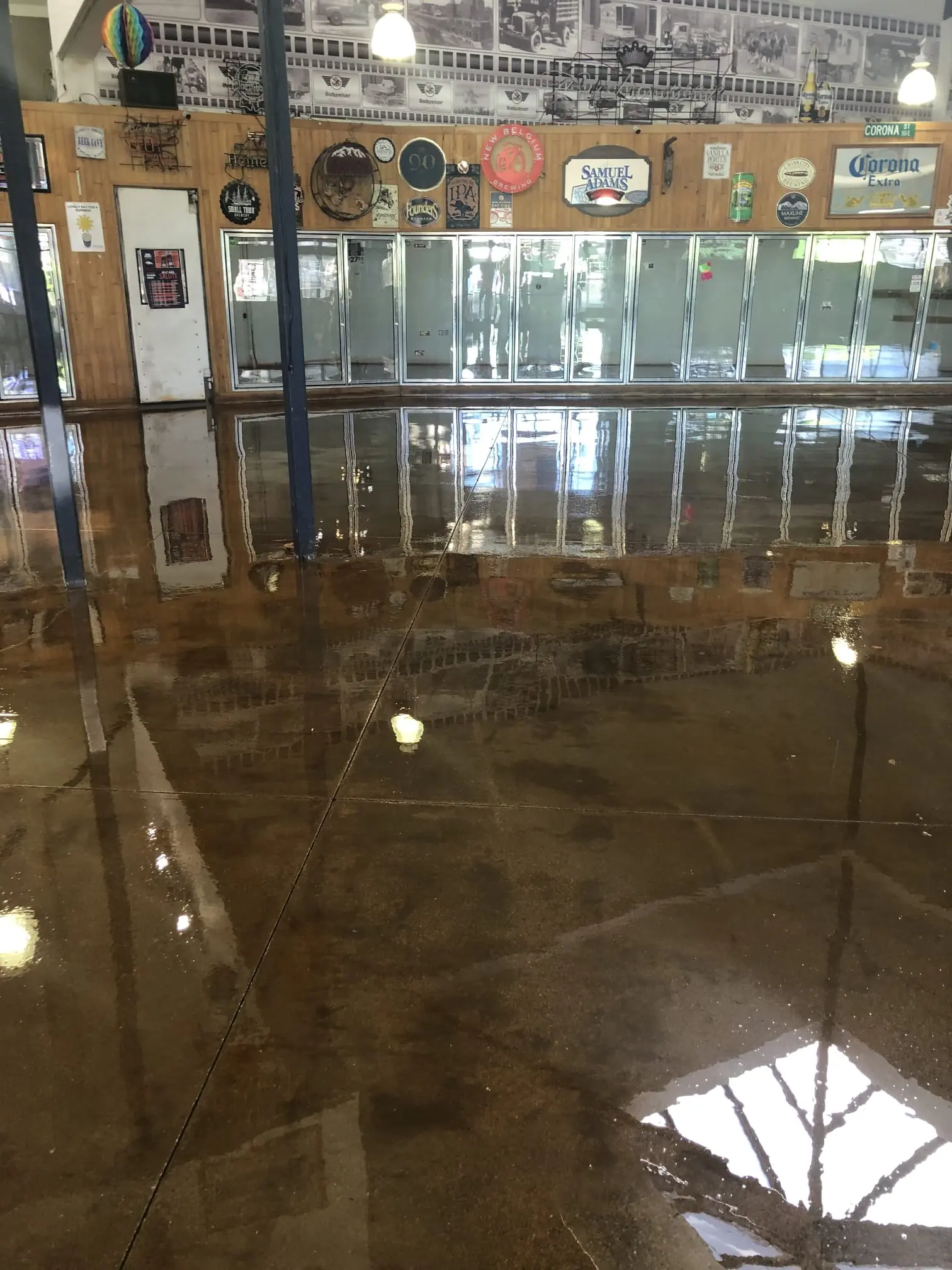
Beyond the Kitchen: Complete Restaurant Solutions
Your kitchen isn’t the only space that needs durable, attractive flooring. We install coordinated systems throughout your entire facility.
Dining Areas
Decorative metallic or quartz finishes that impress guests while standing up to chair legs, high heels, and spilled drinks.
Bar Areas
Moisture-resistant coatings that handle constant wet conditions behind the bar. Easy to clean at closing time.
Restrooms
Seamless, sanitary surfaces that simplify cleaning and create a positive impression for guests.
Walk-In Coolers
Low-temperature rated systems that won’t crack or peel in your refrigerated spaces.
Loading Docks
Impact-resistant coatings that handle pallet jacks, hand trucks, and heavy deliveries.
Outdoor Patios
UV-stable coatings that resist fading from Colorado’s intense sun while handling freeze-thaw cycles.
Restaurant Flooring FAQs
How long will my restaurant be closed during installation?
Is epoxy flooring slippery when wet?
Can epoxy handle the heat from commercial kitchen equipment?
Will the health inspector approve epoxy flooring?
How do I maintain restaurant epoxy flooring?
What’s the cost difference between epoxy and tile for a restaurant?
Can you install over my existing tile floor?
Serving Restaurants Across Denver Metro
Get Started
Ready to Upgrade Your Restaurant Floor?
Get a free, no-obligation consultation from Denver’s commercial flooring experts. We’ll assess your space, discuss your needs, and provide a detailed quote with no hidden fees.
Elevate My Floor (720) 635-0282