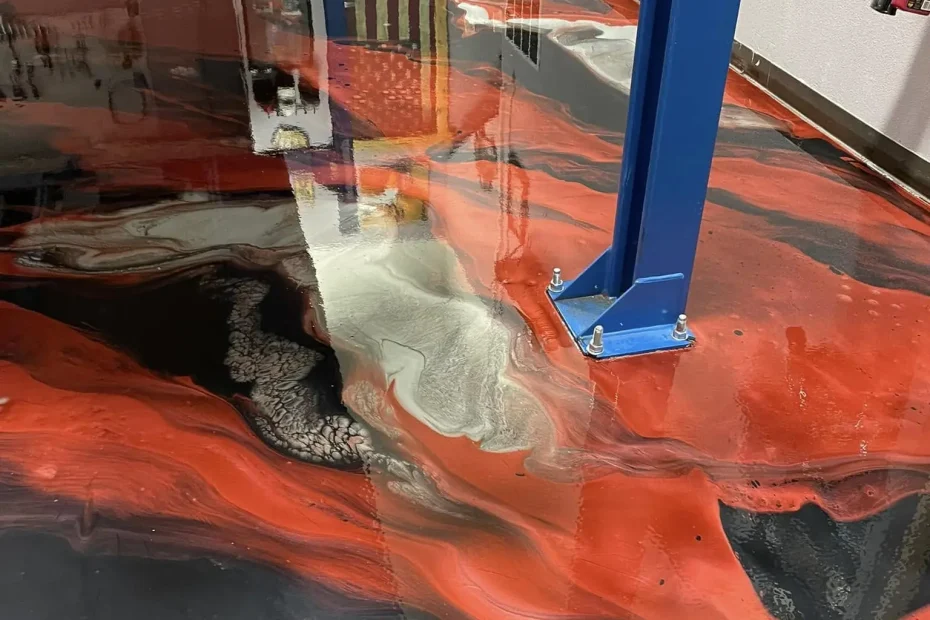

Yes for some systems, no for others. The number that decides it is the temperature of the concrete, not the air. Fast-cure polyaspartic and polyurea keep reacting well below the point where a conventional epoxy stalls, cures soft, or hazes. With heat, containment, a slab thermometer and a disciplined door schedule, an Arvada garage can be coated in January. When the slab is sweating or too cold to bring up inside one working day, we say wait.
We get this call every year around Thanksgiving. Somebody in Arvada finally has the garage cleared out, the holiday project list is short, and they want to know whether we will actually do the work or whether we are going to tell them to call back in April.
The honest answer is that winter work is real work here, and a lot of it gets done well. It just runs on different rules than a job in July. Here is what changes, what we watch, and where the line is.
The Deciding Variable Is the Slab, Not the Forecast
Air temperature is the number everybody quotes and the least useful one on site. Concrete is a big thermal mass. It holds yesterday’s cold long after the sun comes out, and a garage slab poured over compacted fill against a north wall can sit well below whatever the truck thermometer says.
So the first tool out of the van in winter is an infrared thermometer, and the first thing that gets read is the floor. We take readings at the door, at the back wall, in the corners and near any wall the ground touches. Those numbers rarely agree with each other, and the coldest one governs the job.
Why an Arvada Garage Swings So Hard
Northwest metro sits high and dry against the foothills, and thin air does not hold heat. A thirty-degree spread between a sunny afternoon and the low point before dawn is an ordinary Jefferson County day, not a weather event. Add a chinook and the swing gets wider.
That matters because a coating does not cure in a snapshot. It cures over hours, and the slab keeps moving through those hours. An afternoon that reads warm can hand the floor back to a cold night halfway through the reaction, and whatever the coating had accomplished by then is the coating you keep.
What Cold Actually Does to Epoxy
Conventional epoxy is a two-part reaction, and reactions slow as they cool. The practical effect is that a floor which should be walkable overnight is still tacky the next afternoon. That alone is inconvenient rather than fatal.
The real problem is that a cold epoxy may never finish cross-linking. It can set up soft, stay slightly rubbery under a fingernail, blush or cloud as it fights moisture, and never reach the hardness and chemical resistance it was sold on. It looks like a floor. It does not behave like one, and there is no fixing it later without grinding it off. Every manufacturer publishes a minimum application temperature and a minimum recoat window for exactly this reason, and those sheets are worth reading before anyone opens a kit.
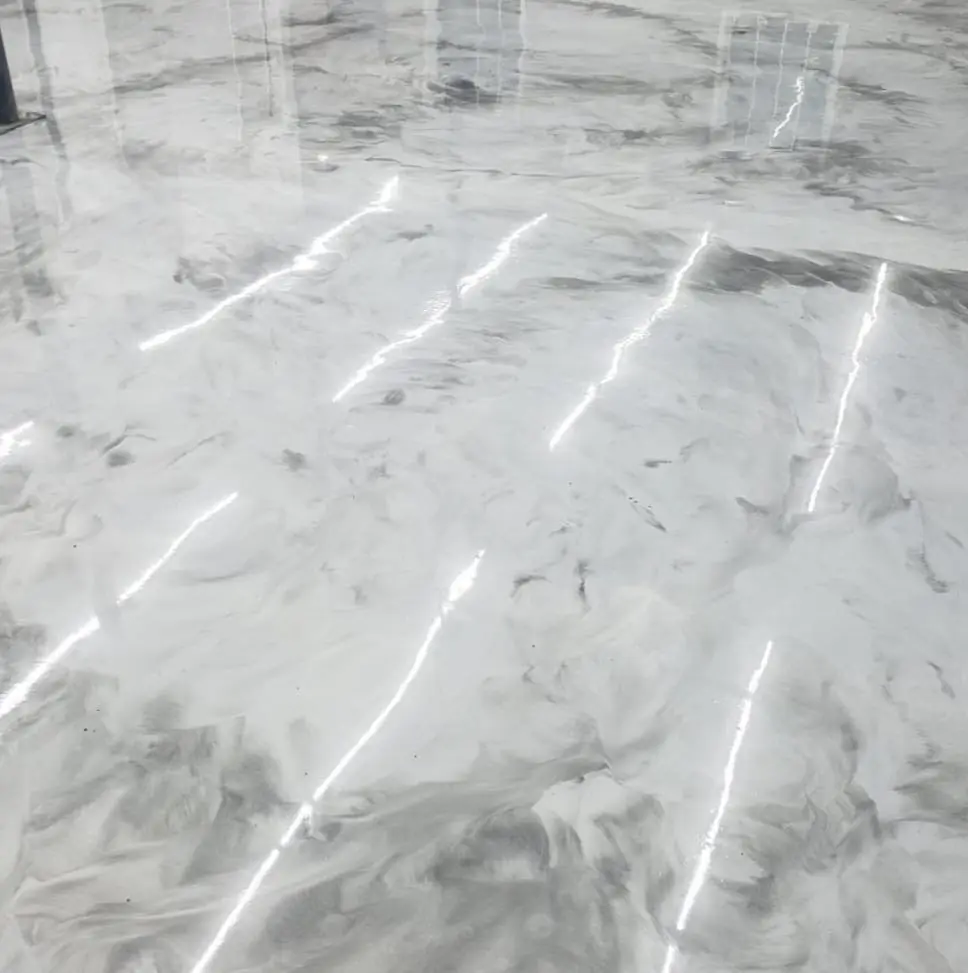
Why Polyaspartic and Polyurea Exist in This Market
Polyaspartic and polyurea chemistries keep reacting a long way down the thermometer, and they finish fast enough that the floor gets through its vulnerable window before the temperature falls back off. That is not a marketing advantage in Colorado. That is the whole reason these products took over the Front Range garage market.
They are also less patient in the other direction. Cold slows the pot life down in a useful way, but a warm slab shortens it, so a crew is reading the same thermometer to decide how big a section to mix. If you want the full comparison of how these systems behave once they are down, we wrote that up on our polyaspartic coatings in Arvada page.
Heat and Containment on Site
Heating a garage for a coating job is not the same as making it comfortable. The goal is to bring the concrete itself up and hold it there through the cure, which means starting hours before anyone mixes anything and staying on well after the last section is pulled.
A reasonable setup looks like indirect or ducted heat with the combustion outside, plastic on the door opening, a sealed threshold, and air movement so the whole slab warms instead of one hot stripe down the middle. A crew winging it looks like a propane salamander pointed at the floor, which torches the coating in one spot, leaves the corners cold, and dumps combustion moisture straight onto the surface it is trying to dry.
Condensation Is the Failure Nobody Expects
This is the one that catches people, because the floor looks bone dry. Warm humid air meeting a cold slab drops moisture onto the concrete in a film too thin to see, and a coating applied over it can bubble, blush, lose bond in patches, or peel in sheets a month later.
The fix is not heroic, it is just discipline. We track surface temperature and dew point together, we do not chase the slab up faster than the air can follow, and we hold off if the two numbers are converging. Manufacturers publish the required spread between them, and that spread is a hold point rather than a suggestion. If the floor has to sit another two hours before we open a kit, it sits.
Snowmelt, Brine and the Door Schedule
Winter cars carry a load. Snowpack drops off the fenders, and the mag chloride brine the county puts down on Wadsworth and Ralston comes in with it, soaks into bare concrete and sits there as a salt residue that will fight adhesion. A slab that got driven on all December needs a harder wash and more dwell time before grinding than the same slab in August.
Which is why the door schedule becomes part of the plan. Vehicles come out the night before and stay out. The door goes up in short controlled windows, not propped open for convenience, and nobody parks a wet truck in the driveway apron where the runoff walks back inside on somebody’s boots. Details on the prep and buildout live on our Arvada garage coatings page.
The Argument for Doing It in Winter Anyway
The garage is at its least useful in January. Nobody is doing woodworking out there, the bikes are hung up, and giving up the bay for a couple of days costs you almost nothing compared to surrendering it in June.
Scheduling is easier too. Winter weeks have room in them, so you pick the date instead of taking what is left, and the floor is fully cured and ready before the first warm Saturday when you actually want the space back. Homeowners who plan ahead tend to land here, and it is the quietest version of this job.
When We Tell You to Wait
We say wait when the slab cannot be brought up and held through the cure with the heat we can safely run in that particular garage. We say wait when the dew point spread will not hold. We say wait on an uninsulated detached garage with a cold dirt floor perimeter and no power to run equipment properly, and we say wait when a storm is going to force the door open mid-cure.
None of that is a soft sell for a bigger system. It is one job we would rather do in March than do twice. If you would rather have the date than the debate, tell us what your garage is like and we will tell you which side of the line it falls on. You can start from our Arvada service page or just reach out here.
Winter Install FAQ
Do you actually coat garage floors in January in Arvada?
Yes, regularly, with fast-cure systems and a proper heat and containment setup. What we will not do is run a conventional epoxy on a slab the product sheet says is too cold, because that floor cures soft and there is no rescuing it afterward.
Does my garage need to be heated already?
No. Most Jefferson County garages we coat in winter are unheated. We bring the heat, duct it, seal the opening and hold the slab through the cure. An attached garage with living space on the other wall gets there faster than a detached one.
Will a winter floor look different from a summer floor?
It should not. Flake, color and gloss are the same. What changes is the schedule around it, mostly longer warm-up before we start and a tighter door policy while it cures.
How long do I need to keep my cars out?
Fast-cure systems are usually walkable the same evening and take vehicles the next day, though cold weather adds a cushion. We give you the actual return-to-service times for your system at the on-site look rather than a generic number.
What if the weather turns after you have started?
We build the buffer in before we start rather than reacting mid-job. If the forecast puts a storm or a hard overnight drop inside the cure window, we move the date. Rescheduling costs a few days. A compromised floor costs the whole install.
Want Your Arvada Garage Done Before Spring?
Free on-site look covers slab condition, system options, and a realistic winter schedule for your garage.
Call (720) 635-0282 Schedule a Free Look